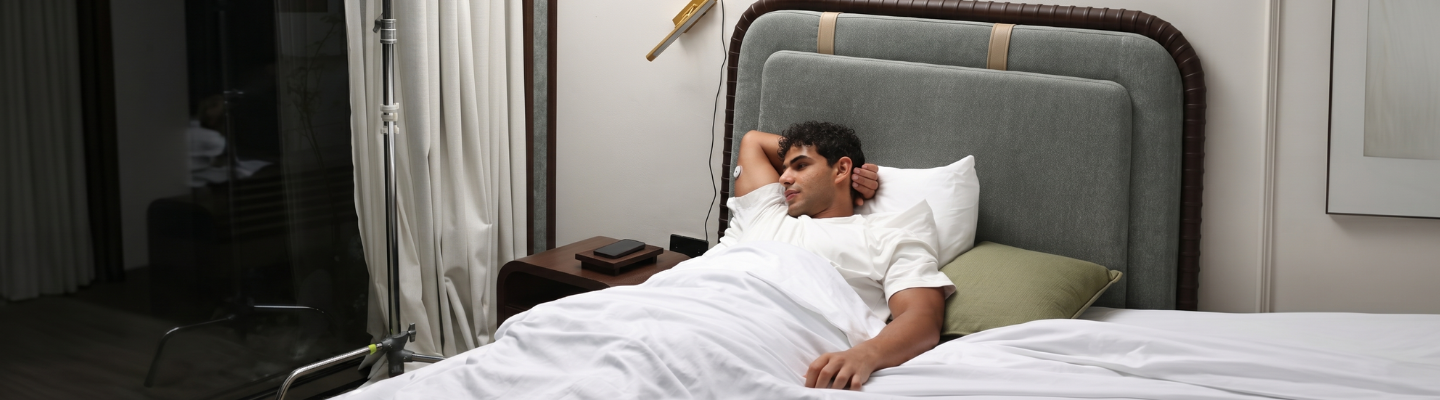
The key to navigating sick days with diabetes is doing all of the thinking ahead of time. That way, when you don't feel like concentrating, you can simply follow your designated checklist.
What to Include in Your Plan
Involve your diabetes care team in developing your personalized sick day plan. Ask them ahead of time when you should call the clinic for help, how to adjust your medications, how often to monitor your glucose and ketones, and what foods to try to keep down.
Assemble a physical sick day kit so everything you might need is ready at a moment's notice.
Sick Day Kit Checklist
- Digital thermometer
- Over-the-counter pain/fever relievers (like acetaminophen)
- Sugar-free cough syrup or throat lozenges
- Decongestants (keep in mind that even sugar-free decongestants can cause a temporary rise in blood glucose)
- Blood ketone meter and strips (preferred over urine strips for real-time accuracy) or urine ketone strips
- Extra blood glucose test strips and backup lancets (even if you use a CGM)
- Extra insulin and delivery supplies
- Emergency glucagon (such as a modern nasal spray or auto-injector)
- Easy-to-eat, predictable foods that contain carbohydrates
At the First Sign of Illness
Understanding how acute illness affects your body will help you take the right steps to care for yourself.1
- Do Not Automatically Stop Taking Insulin: If you use insulin, don't stop taking it. Even if you are having trouble keeping food down, your body releases stress hormones to fight the illness, which typically cause a major rise in blood glucose. You may need extra insulin to combat this. Work with your doctor to adjust your meal boluses, take correction doses, or utilize a temporary basal rate on your insulin pump.
- Monitor Glucose More Frequently: Check your levels at least every 1 to 2 hours. If you wear a Continuous Glucose Monitor (CGM), monitor the trend arrows closely, but keep a finger-stick blood glucose meter nearby to verify unexpected readings.
- Check for Ketones: If your blood sugar is elevated (or if you are a person with Type 1 diabetes and feel nauseated/vomiting), test your blood or urine for ketones immediately.
- Stay Hydrated: Drink plenty of calorie-free, caffeine-free, clear liquids (like water or herbal broth) to flush out ketones and prevent dehydration.
- Maintain Your Carbohydrate Intake: Try to eat according to your regular meal targets, keeping fast-acting carbs nearby. If nausea or vomiting prevents you from eating solid foods, substitute your meals with small sips of liquids that contain carbohydrates—such as sports drinks, diluted juice, regular soda, or frozen fruit bars—to give your body the energy it needs and prevent low blood sugar.
⚠️ SGLT2 Inhibitor Warning: If you take an oral medication belonging to the SGLT2 inhibitor class (e.g., Jardiance, Farxiga, Invokana, Steglatro), talk to your doctor immediately about pausing it when you are sick. These medications increase the risk of a dangerous condition called euglycemic Diabetic Ketoacidosis (eDKA), where severe ketoacidosis occurs even if your blood sugar numbers appear normal.2
When to Contact Your Healthcare Team
- Get in touch with your doctor or seek immediate medical attention if you experience any of the following:1
- You have been sick or had a fever for more than 24 to 48 hours without improvement.
- You have had 2 or more episodes of vomiting or diarrhea within a 4-hour window.
- You detect moderate-to-large ketones in your blood or urine.
- Your blood glucose remains higher than 15.0 mmol/L (270 mg/dL) even after taking extra fluids and correction insulin.
- You experience symptoms of Diabetic Ketoacidosis (DKA) or severe dehydration, such as worsening abdominal pain, rapid breathing, dizziness, confusion, or breath that smells sweet, fruity, or like acetone.
Sick Day Snacks
- These choices each contain roughly 10 to 15 grams of carbohydrates and may be easier to digest when your appetite is low:
- 1 double-stick ice pop
- 1 cup (240 mL) sports drink
- 1 cup (240 mL) broth-based soup
- 4 ounces (120 mL) apple or orange juice
- 1/2 cup (120 mL) regular soft drink
- 6 Saltine crackers
- 3 graham crackers
- 1/2 cup applesauce
- 1/2 cup cooked oatmeal or cream of wheat
- 1/2 cup ice cream or frozen yogurt
- 1/4 cup sherbet, sorbet, or regular pudding
Substitute local foods as appropriate to match carbohydrate targets.
References:
1. American Diabetes Association Professional Practice Committee. (2026). Diabetes Care in the Hospital: Standards of Care in Diabetes—2026. Diabetes Care, 49(Supplement_1), S339–S356. Available at: https://doi.org/10.2337/dc26-S016/Accessed: June 30, 2026.
2. American Diabetes Association Professional Practice Committee. (2026). Pharmacologic Approaches to Glycemic Treatment: Standards of Care in Diabetes—2026. Diabetes Care, 49(Supplement_1), S166–S190. Available at: https://doi.org/10.2337/dc26-S009/ Accessed: June 30, 2026.