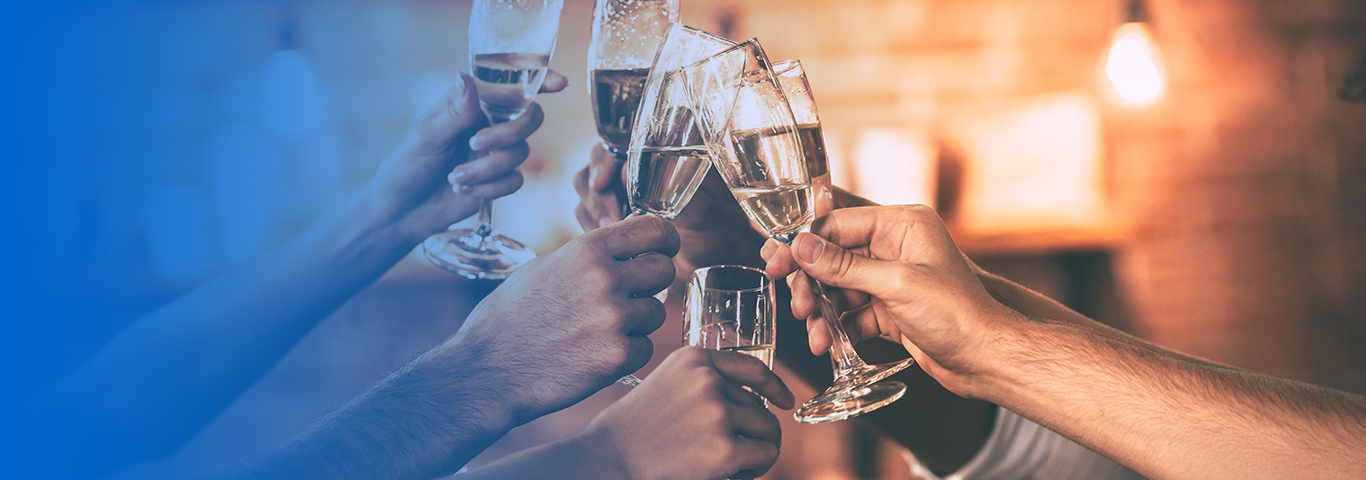
If you have been diagnosed with diabetes, you may be worried about continuing to include the beer, wine, or spirits you enjoy at your gatherings and holidays—Are the carbs worth the drink? Will alcohol affect your body differently now that you have diabetes? It can be tough when something you once shared with joy becomes a new source of stress or frustration—but with some thoughtful consideration ahead of time, you can still raise a glass with your loved ones and say cheers with confidence.
Basics of Alcohol and Diabetes
When consumed in moderation, alcohol can be a fine way to kick back and have fun. However, there are still elevated risks for people drinking with diabetes, even when it is just one beer or cocktail.
When alcohol is taken into the body, it is processed by the liver. Since alcohol is a toxin, this sends the liver into detox mode, which temporarily stops the release of glucose even if it is needed to fuel the body. People who are on medications such as insulin or sulfonylureas (e.g., Gliclazide) are at an especially high risk for hypoglycemia due to this. On average, the liver can only break down one drink of alcohol per hour¹. Additionally, many beers, wines, and spirits are high in sugars, calories, and carbohydrates that can cause rapid spikes in blood sugar.
Tips for Drinking with Diabetes2
If you choose to enjoy an alcoholic drink, here are a few rules you will want to follow whenever possible:
- Avoid drinking on an empty stomach: It might seem like a good idea to swap out the carbs and calories but drinking without eating first may lead to low blood sugar, or even increased intoxication. It can also interact with diabetes medication you may be on to increase the chances of low blood sugar.
- Avoid calorie-heavy beers: Craft brews like lagers or stouts may have a taste you prefer, but they also have a higher alcohol content and are loaded with calories. If beer is your drink of choice, consider something lighter.
- Swap out the sweet mixers for something else: Instead of ordering a cocktail with fruit juice, or a fizzy drink, or cream, consider soda water, sugar-free tonic water, club soda, or diet soda.
- Beware of the late-night munchies: Alcohol can lower decision-making skills and inhibitions, and this could easily lead to you making poor dietary decisions when drinking. Eating before drinking is always a good way to curb this concern, but you might also consider packing a small diabetes-friendly snack in case you get a craving after a few drinks.
- Wear a medical alert bracelet indicating you have diabetes: The symptoms of hypoglycemia can mimic the effects of being drunk, so it is important that those around you know what to do in case you faint or fall ill.
- Check your sugar before drinking, while drinking, and frequently for 24 hours afterwards: Always check it before bed and set an alarm during the night.
Alcohol is high in carbs and calories, but individuals with diabetes can still enjoy the tradition of a beer or glass of wine. By keeping your blood sugar in mind and staying on track in your day-to-day treatment, saying “Yes!” to a night out with family or friends is something you can still look forward to safely.
References:
¹ Alcohol Metabolism and Delayed Hypoglycemia Risks: Johns Hopkins Medicine. Mixing Alcohol with Your Diabetes: Patient Safety Directives. Available at https://www.hopkinsmedicine.org/health/conditions-and-diseases/diabetes. Accessed on June 30, 2026
² Glycemic Targets, Safety Thresholds, and Patient Counseling: American Diabetes Association Professional Practice Committee. 5. Facilitating Positive Health Behaviors: Standards of Care in Diabetes—2026. Diabetes Care, 2026;49(Suppl. 1). Available at https://diabetesjournals.org/care/issue. Accessed on June 30, 2026